Modern factories need speed, accuracy and clean packaging systems. A strong filling setup helps brands pack products with less waste and better consistency. From drinks and sauces to creams and gels, filling systems support many production lines across the world.
A reliable liquid filling machine helps businesses maintain smooth operations. It fills bottles, jars, pouches and containers with measured volumes in less time. Many manufacturers now use advanced systems to reduce product loss and improve output quality.
Packaging needs also change based on product texture. Thin liquids move in a different way from thick products. This is where specialised filling systems become useful. Companies often select different machines for liquids and dense materials to match their production goals.
This guide explores filling systems, their working methods, major types, industry uses and the key factors businesses should consider before selecting a machine.
What Is a Liquid Filling Machine?
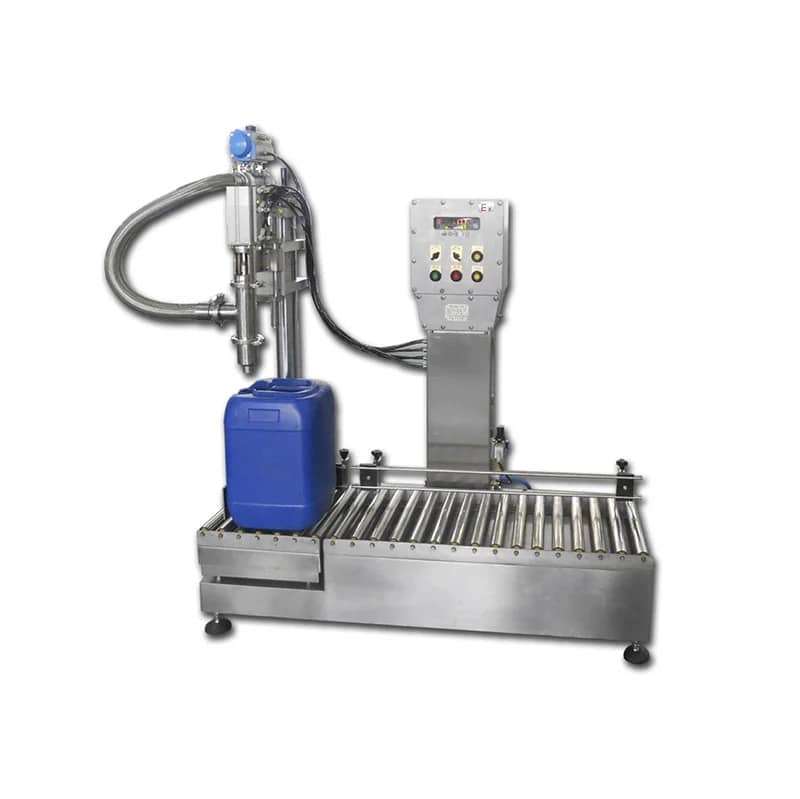
A liquid filling machine fills containers with free-flowing liquids through measured dispensing systems. These machines support packaging lines that handle water, juices, oils, syrups, cleaning fluids and similar products.
The machine controls the flow rate and fill level to keep each container uniform. This process helps factories maintain quality standards while reducing waste.
Most systems include:
- Filling nozzles
- Conveyor systems
- Storage tanks
- Sensors
- Control panels
Some models support small-scale production, while others suit large industrial plants. Manufacturers can also customise machines based on bottle shape, liquid thickness and production speed.
Modern equipment improves hygiene standards and shortens packaging time. Many industries rely on these systems to meet growing market demand.
What Is a Paste Filling Machine?
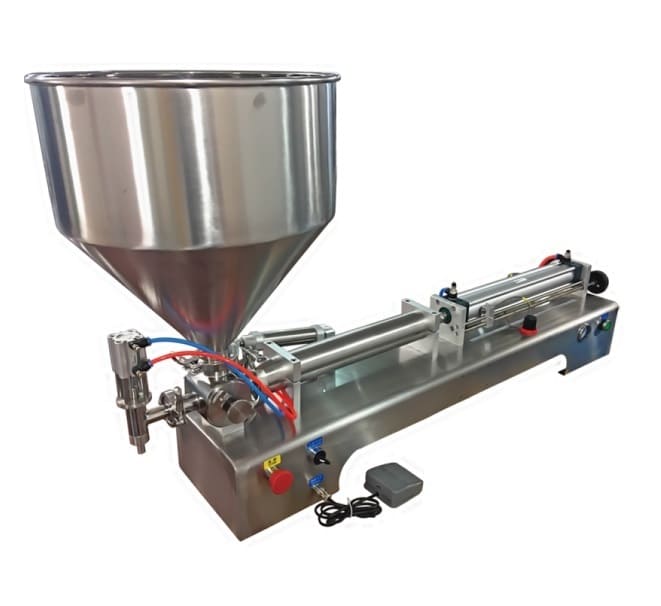
A paste filling machine handles thick and dense products that do not flow easily. These machines pack products such as sauces, creams, gels, peanut butter, honey and toothpaste.
Unlike thin liquids, paste products require stronger pressure and controlled movement during filling. These systems often use piston-based technology to push products into containers with accuracy.
The machines help manufacturers maintain:
- Consistent product weight
- Clean filling results
- Fast production speed
- Reduced product wastage
Many factories choose these systems for products with particles or heavy textures. The machine can also manage heated or sticky materials without damaging product quality.
Types of Liquid Filling Machines
Different production environments require different filling systems. Machine selection often depends on production volume, product texture and factory size.
Manual Liquid Filling Machine
A manual system suits small businesses and low-volume production lines. Operators control the filling process by hand.
These machines offer:
- Simple operation
- Low maintenance
- Compact size
- Lower setup cost
Small food makers, local cosmetic brands and start-up businesses often use manual systems during early production stages. Although these machines work at slower speeds, they provide good control for small batches.
Semi Automatic Liquid Filling Machine
Semi automatic systems combine manual handling with powered filling functions. Operators place the containers while the machine controls the filling process.
These machines improve:
- Filling accuracy
- Production speed
- Workflow efficiency
A semi automatic setup fits medium-scale businesses that need better performance without a full automation investment.
Factories often use these systems when production demand grows steadily over time.
Automatic Liquid Filling Machine
An automatic filling system performs the complete process with minimal human support. The machine moves containers, fills products and seals packages through integrated controls. An advanced liquid filling machine increases production capacity and maintains strong consistency across every container.
Key advantages include:
- High-speed production
- Reduced labour needs
- Better hygiene control
- Precise filling results
Large factories often select automatic systems for round-the-clock operations.
Piston Filling Machines
Piston systems work well for products with medium to thick textures. The machine pulls product into a cylinder and pushes it into containers through controlled pressure.
These machines suit:
- Sauces
- Creams
- Gels
- Syrups
Piston technology provides accurate fills and smooth handling for dense products. Manufacturers often choose piston systems when product texture changes during production.
Gravity Filling Machines
Gravity systems rely on natural flow to fill containers. These machines work best for thin liquids with low viscosity.
Common applications include:
- Water
- Juice
- Cleaning liquids
- Cooking oils
The filling process remains simple and efficient. Gravity systems also require less mechanical force, which helps reduce wear on components.
Industries That Use Liquid Filling Machines
Many industries depend on filling systems to maintain safe and efficient packaging processes.
Food and Beverage Industry
Food manufacturers use filling systems for products such as:
- Sauces
- Milk
- Juice
- Cooking oils
- Syrups
Clean filling systems help businesses protect product freshness and meet food safety standards. Factories also improve packaging speed during high-demand periods.
Cosmetics and Personal Care
Beauty and skincare products require clean and accurate filling systems. Manufacturers package:
- Shampoo
- Lotion
- Face wash
- Creams
- Liquid soap
Consistent filling supports brand quality and improves customer trust.
Many cosmetic factories also use specialised nozzles to prevent dripping during production.
Pharmaceutical Industry
Medicine manufacturers require precise filling systems for syrups, liquids and healthcare products. A dependable liquid filling machine helps pharmaceutical companies maintain strict dosage accuracy and hygiene standards. Modern systems also support sterile production environments and reduce contamination risks.
Chemical Manufacturing
Chemical producers package cleaning fluids, industrial liquids and specialised solutions with industrial filling equipment. Strong machine construction helps protect against corrosion and chemical damage. Manufacturers also use sealed systems to improve workplace safety during production.
Benefits of Using an Automatic Liquid Filling Machine
Automated systems improve production quality and reduce operational challenges.
Major benefits include:
Faster Production
Automatic systems fill large numbers of containers in less time. This helps factories meet rising customer demand.
Better Accuracy
Modern controls maintain equal fill levels across every package. This improves product consistency and reduces waste.
Lower Labour Costs
Automated systems require fewer workers during packaging operations. Businesses can shift staff toward quality control and other tasks.
Improved Hygiene
Closed systems reduce direct product handling. This supports clean production standards in sensitive industries.
Reduced Product Waste
Precise filling systems help businesses cut overfilling and leakage problems.
Easy Integration
Many systems connect with:
- Capping machines
- Labelling units
- Conveyor systems
- Sealing equipment
This creates a smooth packaging line from start to finish.
Key Features to Look for in a Liquid Filling Machine
Selecting the right machine requires careful planning. Businesses should study machine performance, flexibility and maintenance needs before making a decision.
Important features include:
Filling Accuracy
Precise filling helps reduce waste and maintain product consistency.
Production Speed
Factories should match machine speed with daily production targets.
Product Compatibility
Machines should support the viscosity and texture of the product.
Easy Cleaning
Quick cleaning systems help reduce downtime and improve hygiene.
Durable Construction
Strong stainless-steel designs improve machine lifespan and support industrial use.
User-Friendly Controls
Simple control panels help operators manage production with less training.
Expansion Support
Businesses should choose systems that allow future upgrades as production grows.
Liquid Filling Machine vs Paste Filling Machine
Although both systems perform filling tasks, they handle different product textures and production requirements.
| Feature | Liquid Filling System | Paste Filling System |
| Product Type | Thin liquids | Thick products |
| Filling Method | Gravity or flow-based | Pressure or piston-based |
| Common Products | Water, juice, oil | Creams, sauces, gels |
| Flow Speed | Fast | Controlled |
| Nozzle Design | Standard flow nozzles | Wider dispensing nozzles |
A liquid filling machine works best for low-viscosity products that flow easily during packaging.
Paste systems perform better with heavy or sticky materials that require a stronger dispensing force. Businesses should evaluate product consistency before choosing between the two systems.
How to Choose the Right Filling Machine for Your Production Line
The correct filling system improves efficiency and supports long-term growth. Businesses should consider several factors before selecting equipment.
Understand Product Viscosity
Thin liquids require different filling methods from thick products.
Estimate Production Volume
Low-volume businesses may prefer manual or semi automatic systems. Large factories often benefit from full automation.
Review Container Types
Bottle shape, pouch size and container material affect machine compatibility.
Consider Future Growth
Expandable systems help businesses increase production without replacing the entire setup.
Focus on Maintenance
Simple maintenance reduces downtime and keeps production stable.
Check Safety Standards
Industrial equipment should meet hygiene and safety regulations for the target industry.
Why Businesses Choose Auto Pak Trading Sdn Bhd
Businesses across many industries trust Auto Pak Trading Sdn Bhd for dependable packaging solutions that improve production efficiency and product quality. We deliver filling systems designed to support modern manufacturing needs with strong performance and long-term reliability.
Manufacturers choose the company because it provides:
- Reliable machine performance
- Strong technical support
- User-friendly systems
- Durable machine construction
- Flexible solutions for different industries
The company supports businesses that handle beverages, cosmetics, pharmaceutical products, sauces, creams, oils, and chemical products. Its equipment helps manufacturers maintain accurate filling results while reducing product waste and production delays.
Many factories prefer the company for its ability to provide customised packaging solutions that match different production capacities and container types. From compact production setups to large industrial operations, the machines support smooth and stable workflow.
We also focus on easy machine operation and simple maintenance. This helps businesses reduce downtime and maintain steady production output throughout the day.
With practical industry knowledge and a strong focus on packaging efficiency, Auto Pak Trading Sdn Bhd continues to support businesses that want reliable filling solutions for long-term production growth.
Conclusion
Modern packaging depends on speed, accuracy and product safety. Filling systems help manufacturers maintain smooth production while reducing waste and improving consistency.
A high-quality liquid filling machine supports efficient operations across many industries, including food production, cosmetics, pharmaceuticals and chemicals. These systems improve packaging accuracy and help businesses meet growing production demand.
Paste filling systems also play an important role in handling dense and textured products with care and precision.
Businesses should study product type, production volume, machine durability and future growth plans before selecting equipment. The right machine can strengthen packaging quality, improve workflow and support long-term industrial success.