
Do you struggle to preserve food quality and extend shelf life? A vacuum sealer machine transforms how businesses handle food storage and protection. Whether you operate a restaurant, café, or food production facility, this technology solves preservation challenges.
Malaysia’s bustling food industry demands reliable solutions, and vacuum packaging machines deliver exactly that. These machines remove air from packaging, lock in freshness, and prevent spoilage. Commercial vacuum pack machines safeguard your products from oxidation and contamination.
This guide explores everything about vacuum sealer machines, their benefits, and why they matter for your business operations.
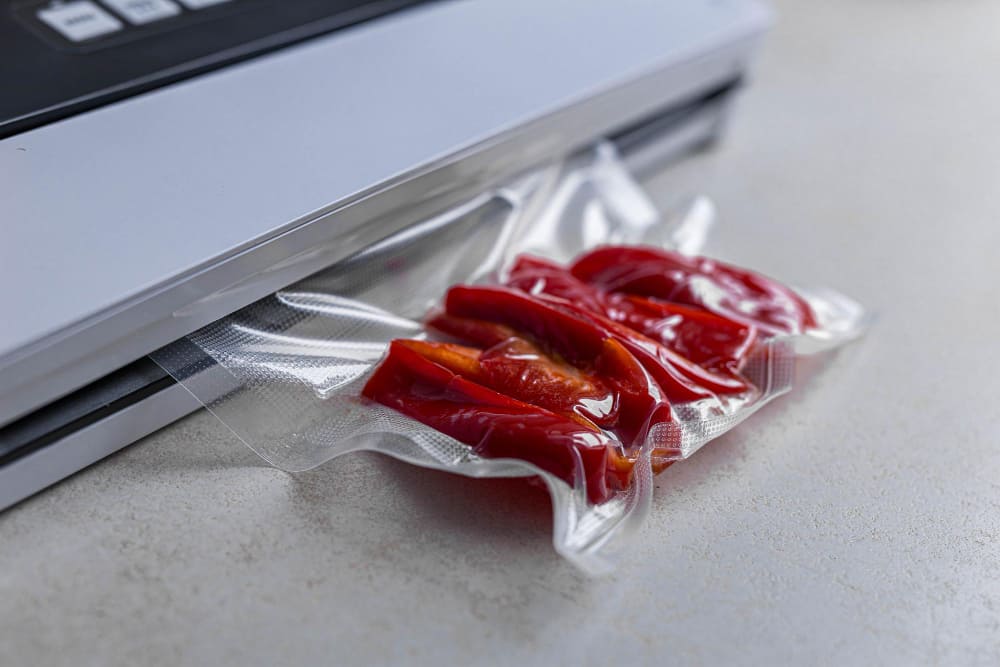
What Is a Vacuum Sealer Machine?
A vacuum sealer machine removes air from bags or containers before sealing them shut. Think of it like giving your food a protective shield. The machine extracts oxygen from the package, creating an airtight seal that prevents bacterial growth.
The vacuum pack machine operates through a simple principle: less air means longer freshness. When oxygen leaves the package, food stays fresher much longer. This technology works brilliantly for meat, fish, vegetables, and prepared meals. Your vacuum packaging machine essentially creates a barrier against the elements that spoil food.
How Does It Differ From Regular Sealing?
Many people assume that a heat sealer and a vacuum sealer machine perform the same task. While both seal plastic bags, their functions are very different.
A standard heat sealer simply melts the opening of a plastic bag closed. Although this prevents the contents from spilling, the air remains trapped inside the package. Oxygen continues to affect the product, allowing spoilage to occur at its normal rate.
A vacuum packaging machine, however, performs two important processes:
- It removes the air from the package.
- It immediately seals the bag to prevent air from re-entering.
This combination dramatically increases storage life while maintaining freshness, flavour, texture and appearance.
For businesses handling perishable products, this difference has a direct impact on product quality, inventory management and profitability.
How a Vacuum Packaging Machine Works
Understanding the process helps you make better choices. Here’s what happens when you use a vacuum pack machine:
Step 1: Loading
Place your product inside a specially designed vacuum sealing bag. These bags are made with multiple protective layers to withstand vacuum pressure and heat during sealing.
Step 2: Insertion
Insert the open end of the bag into the machine’s sealing channel. The sealing area is specifically designed to hold the bag securely in place during the vacuum and sealing process.
Step 3: Vacuum Operation
Once activated, the vacuum packaging machine uses a powerful pump to remove the air from inside the bag. This process takes just a few seconds and is typically accompanied by a low humming sound.
Step 4: Heat Sealing
Once air extraction reaches the desired level, heating elements spring into action. These elements melt the plastic edges together, creating a permanent seal.
Step 5: Release
The vacuum packaging machine releases the sealed bag automatically. Your product emerges perfectly preserved.
Modern commercial vacuum pack machines complete this entire cycle in just 5-10 seconds. Speed matters in busy commercial kitchens.
Benefits of Using a Vacuum Packaging Machine
Investing in this technology offers your business a wide range of valuable benefits:
Longer Shelf Life: Products stay fresh 3–5 times longer than with conventional storage methods. A vacuum sealer machine in Malaysia helps preserve goods for weeks or even months instead of only a few days.
Excellent Quality Preservation: Colours stay brighter. Flavours remain richer. Textures maintain their freshness for much longer. A vacuum sealer keeps everything that makes your products stand out.
Lower Operating Costs: Reduced spoilage leads to greater savings. Fewer damaged or expired products end up in the bin when using a vacuum pack machine.
Enhanced Product Presentation: Vacuum-sealed packaging looks clean, attractive, and premium. Customers often associate professionally sealed products with higher quality and value.
Accurate Portion Management: A vacuum packaging machine allows you to prepare individual portions in advance. This makes meal preparation easier while minimising unnecessary handling.
Better Freezer Organisation: Vacuum-sealed products require less storage space. Your freezer can accommodate more inventory when using a vacuum sealer machine.
Types of Vacuum Sealer Machines
The market offers several varieties, each designed for different purposes:
External Vacuum Sealer Machines
These machines sit outside the bag during operation. The channel sits on top, and bags slide in from the side. They work well for most commercial applications. Your vacuum pack machine operates quickly and efficiently with this design.
Chamber Vacuum Sealer Machines
The entire bag goes inside a chamber. The machine seals the chamber, removes air, then opens for removal. This method works brilliantly with liquids and moist products. Commercial vacuum pack machines of this type suit high-volume operations.
Handheld Vacuum Sealers
Portable units store easily and handle smaller tasks. These smaller models work for home businesses or occasional use.
Tabletop Industrial Models
Compact yet powerful, these vacuum sealer machine units fit kitchen counters whilst delivering professional results.
Large Commercial Units
Heavy-duty vacuum packaging machines tackle enormous volumes. Facilities processing tonnes daily need these robust solutions.
Vacuum Sealer Machine vs Vacuum Pack Machine
These terms often confuse people. Let’s clarify:
A vacuum sealer machine describes the device itself—the actual equipment you operate.
A vacuum pack machine refers to the machine’s function—packing items under vacuum conditions.
Many people use these terms interchangeably, and that’s completely fine. Both describe equipment that removes air and seals packages. When shopping for a vacuum packaging machine, you’ll encounter both phrases. They represent the same technology serving your preservation needs.
Think of it like this: a vacuum sealer machine creates a vacuum pack. The machine performs the packing action.
Products Suitable for Vacuum Packaging
Your vacuum sealer machine Malaysia handles an impressive range of items:
- Meats: Raw beef, chicken, pork, and game birds
- Fish: Fresh and frozen varieties, whole and filleted
- Prepared Meals: Casseroles, soups, and cooked dishes
- Vegetables: Raw, blanched, or cooked
- Cheeses: Hard and soft varieties
- Nuts: Retains crispness and freshness
- Dry Goods: Rice, pasta, and cereals
- Coffee: Beans and ground coffee stay aromatic
- Spices: Flavour intensifies when protected from oxygen
- Baked Items: Bread, pastries, and cakes
Industries Using Vacuum Packaging Machines
Multiple sectors depend on this technology daily:
Hospitality Sector
Restaurants, hotels, and catering companies rely on vacuum pack machines to prepare components in advance. Chefs can mise en place efficiently when using a vacuum sealer machine.
Food Manufacturing
Processing plants use commercial vacuum packaging machines for batch production. These facilities seal thousands of units daily using industrial equipment.
Retail Operations
Butchers, fishmongers, and delicatessens use vacuum sealer machines to extend product life on shelves.
Delivery Services
Meal kit companies and food delivery businesses use vacuum packaging machines to maintain freshness during transport.
Home-Based Businesses
Small entrepreneurs use tabletop vacuum pack machines for cottage food operations.
Medical Facilities
Hospitals and laboratories use specialised models to preserve samples and medical materials.
Key Features to Consider Before Buying a Vacuum Sealer Machine
Choosing the right machine requires careful thought. These features matter most:
Sealing Width: Wider channels accommodate bigger bags. Standard widths range from 200mm to 400mm. Determine your typical bag sizes before purchasing your vacuum sealer machine.
Vacuum Power: Measured in kilopascals (kPa), vacuum strength indicates how thoroughly the machine removes air. Higher numbers mean more powerful extraction. Your vacuum packaging machine should achieve at least 80 kPa for commercial use.
Sealing Temperature Control: Different bags require different heat levels. Adjustable controls ensure your vacuum pack machine works with various materials.
Speed: Cycle time affects productivity. Faster machines seal more units hourly. Commercial operations benefit from speedy vacuum sealer machines.
Bag Compatibility: Some machines work with pre-made bags. Others use roll material you cut yourself. Confirm your vacuum sealer machine in Malaysia supports bags you’ll purchase.
Durability: Stainless steel construction resists corrosion and lasts decades. Industrial vacuum packaging machines need robust materials.
Automation Level: Manual machines require hands-on operation. Automatic models reduce labour demands. Semi-automatic options provide balance.
Portability: Lightweight models move easily. Heavier units stay permanently positioned.
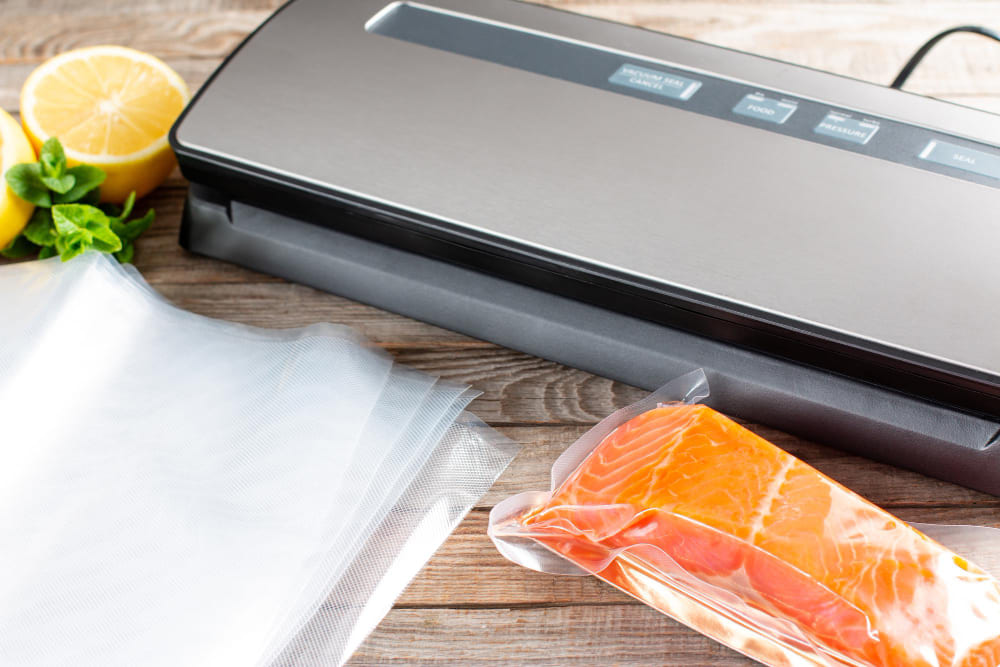
How to Choose the Right Vacuum Sealer Machine
Making the right selection prevents regret and wasted money:
Assess Your Volume
Will you seal ten bags daily or a thousand? Your production needs determine machine size and power requirements.
Consider Your Products
Delicate items need gentler vacuum pressure. Robust products tolerate aggressive extraction. Choose a vacuum pack machine matching your specific goods.
Evaluate Space
Measure your work area carefully. Your vacuum sealer machine must fit comfortably without restricting workflow.
Check Available Budget
Machines range from affordable to expensive. More features cost more money. Identify essential features versus nice-to-have extras.
Review Maintenance Demands
Some vacuum packaging machines need regular servicing. Others run reliably with minimal care. Factor maintenance costs into your decision.
Research Manufacturer Support
Quality brands provide spare parts and technical assistance. Verify your vacuum sealer machine supplier offers these services.
Request Demonstrations
Watching a vacuum pack machine operate before purchase reveals its performance. You’ll see how quickly it works and how smoothly it functions.
Read User Feedback
Other operators share valuable insights about specific models. Learn from their experiences with vacuum sealer machine malaysia equipment.
Vacuum Packaging Materials
Selecting proper materials ensures your vacuum pack machine delivers optimal results:
Bag Thickness: Thicker bags resist punctures and hold stronger seals. Standard commercial vacuum packaging uses bags between 60-100 microns thick.
Material Composition: Polyethene (PE) and polypropylene (PP) combinations work best. These materials withstand vacuum pressure and temperature changes.
Bag Styles: Flat bags suit most products. Gusseted bags expand for bulky items. Pouches with handles offer convenience. Your vacuum sealer machine works with all varieties.
Nylon Reinforcement: Some premium bags include nylon layers for extra durability. These work brilliantly in your vacuum packaging machine for high-stress applications.
Food Safety Compliance: Ensure bags meet food safety regulations. European and international standards certify materials safe for food contact.
Cost Considerations: Buying in bulk reduces per-unit costs. Calculate how many bags your vacuum pack machine will seal annually, then purchase accordingly.
Common Vacuum Packaging Problems and Solutions
Even quality equipment encounters occasional issues:
Incomplete Seals
Bags leak after sealing. Solution: Check bag quality and ensure correct placement. Your vacuum sealer machine’s heating element might need replacement if it fails to melt plastic properly.
Poor Air Extraction
Bags remain puffy with air inside. Solution: Inspect the vacuum pump for blockages. Clean air vents on your vacuum pack machine regularly.
Bag Burning
The sealing zone shows burn marks or melted patches. Solution: Reduce heat temperature on your vacuum packaging machine. Different bag materials require different settings.
Excessive Vacuum Pressure
Products become crushed inside sealed bags. Solution: Lower the vacuum level on your vacuum sealer machine in Malaysia. Delicate items need gentler treatment.
Irregular Sealing
Seals look wavy or uneven. Solution: Ensure bags sit perfectly flat during operation. Your vacuum pack machine performs best with proper bag positioning.
Moisture Issues
Condensation appears inside sealed bags. Solution: Ensure products are dry before sealing. Your vacuum packaging machine works best with moisture-free items.
Maintenance Guide
Keeping your equipment in perfect condition extends its lifespan considerably:
Daily Tasks: Wipe the sealing channel clean with a damp cloth. Remove food particles and debris after each use. This prevents buildup inside your vacuum sealer machine.
Weekly Cleaning: Run your vacuum pack machine through several empty cycles. This flushes out accumulated particles. Check all visible components for damage or wear.
Monthly Inspection: Examine the vacuum pump’s performance. Your vacuum sealer machine should create strong suction every time. Listen for unusual noises indicating internal problems.
Quarterly Maintenance: Have a technician inspect heating elements. These components wear down gradually in your commercial vacuum packaging machine.
Annual Service: Replace worn sealing strips and gaskets. Professional servicing catches problems before they damage your vacuum sealer machine in Malaysia permanently.
Storage Tips: Keep your vacuum pack machine in a dry environment. Moisture damages internal components. Cover it when not in use.
Documentation: Maintain service records for your vacuum packaging machine. This history helps technicians diagnose future problems quickly.
Why Businesses Choose Commercial Vacuum Solutions
Smart operators recognise significant advantages:
Competitive Edge
Vacuum-sealed products attract customers. Professional packaging signals quality and care. Your vacuum sealer machine demonstrates commitment to excellence.
Waste Reduction
Spoilage destroys profits. A reliable vacuum pack machine virtually eliminates waste from oxidation and decomposition.
Quality Consistency
Every sealed product meets the same high standards. Your vacuum packaging machine ensures uniform results batch after batch.
Customer Satisfaction
Longer shelf life means customers enjoy fresher products. This builds loyalty and encourages repeat purchases.
Scalability
As your business grows, your vacuum sealer machine grows with you. Upgrade to larger models when production increases.
Regulatory Compliance
Many jurisdictions require proper food preservation methods. Your vacuum pack machine meets these requirements effortlessly.
Operational Efficiency
Pre-prepared components seal quickly. Your commercial vacuum packaging machine eliminates rush-hour preparation stress.
Conclusion
A vacuum sealer machine represents a smart investment for any food business operating in Malaysia. The technology preserves quality, extends shelf life, and reduces waste significantly. Whether you choose a compact tabletop model or an industrial vacuum packaging machine, you’re making a decision that benefits your bottom line. Food stays fresher longer. Products look more professional. Customers receive superior quality items. The vacuum pack machine handles routine sealing tasks reliably and consistently.
From restaurants to retail outlets, from manufacturing facilities to home-based enterprises, vacuum sealer machines deliver proven results. Your vacuum sealer machine malaysia becomes an indispensable tool that operates quietly in the background, protecting your products and your profits. Start exploring options today and transform how your business preserves food quality.
FAQ’s
1. How long does food stay fresh inside vacuum-sealed bags?
Vacuum packaging extends shelf life significantly depending on product type and storage temperature. Meat lasts weeks instead of days. Vegetables remain crisp for months when frozen. Prepared meals stay safe for several weeks under refrigeration. Your results depend on initial product quality and storage conditions.
2. Can you vacuum seal hot food items?
Allow hot food to cool completely before using your vacuum sealer machine. Hot steam damages the sealing mechanism and creates safety hazards. Wait until food reaches room temperature for best results with your vacuum packaging machine.
3. What bag thickness works best for my vacuum pack machine?
Commercial operations typically use 60-100 micron bags for optimal performance. Thicker bags provide durability for rough handling. Thinner bags cost less but offer less protection. Choose based on your specific product types and handling conditions.
4. Do I need special training to operate a vacuum sealer machine?
Basic operation involves simple steps that anyone learns quickly. Most commercial vacuum packaging machines include clear instructions. Brief staff training ensures proper technique and consistent results with your vacuum pack machine.