Industrial packaging requires exceptional precision, efficiency, and consistency to meet growing production demands. Advanced filling equipment plays a vital role in ensuring accurate product measurement, reducing waste, and maintaining high-quality packaging standards across industries. Weighing filling machines and powder filling machines are two essential solutions designed to optimise the packaging of products ranging from food ingredients and chemicals to pharmaceuticals.
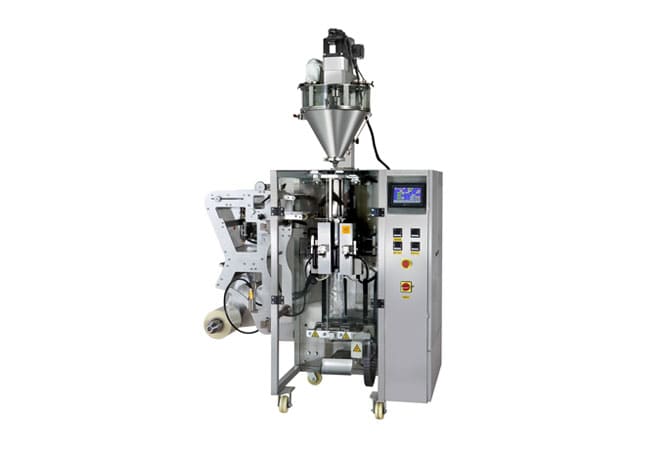
These systems deliver reliable performance, improve operational efficiency, and ensure compliance with strict weight and quality regulations. By investing in modern filling technology, manufacturers can streamline production, enhance product consistency, minimise material loss, and strengthen customer confidence through accurate and dependable packaging processes.
What is a Weighing Filling Machine?
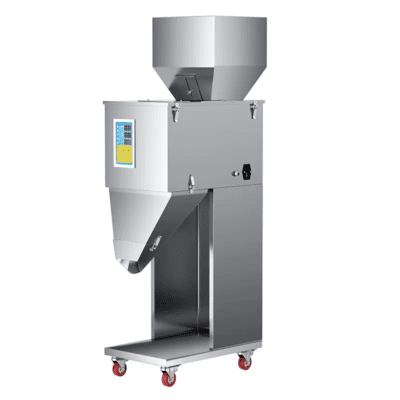
A weighing filling machine is an automated packaging system designed to dispense precise quantities of products into containers based on their weight. It uses integrated weighing technology to monitor the filling process continuously, ensuring every container receives the required amount of product.
The machine measures the product in real time and automatically adjusts the filling operation to maintain accuracy. If the target weight is exceeded, the system stops dispensing immediately. If the required weight is not reached, it adds the necessary quantity. This level of precision ensures consistent filling, reduces product wastage, and improves overall packaging efficiency.
The weighing filling machine delivers these key advantages:
- Precise measurement every single time
- Reduced product giveaway and waste
- Faster packaging cycles than manual systems
- Consistent batches that meet regulatory standards
- Data logging for complete traceability
These machines handle liquids, granules, powders, and semi-solids. They transform inconsistent results into predictable outcomes. Manufacturers across industries depend on this technology to maintain competitive advantage.
What is a Powder Filling Machine?
A powder filling machine specialises in handling dry, powdered substances. Unlike general-purpose equipment, this technology addresses the unique challenges that powder presents. Powders shift, compact, and settle differently than liquids. They create dust clouds. They stick to surfaces. Standard filling methods struggle with these properties.
Powder filling machines overcome these obstacles with a specialised design. The equipment features enclosed systems that contain dust. Vibration mechanisms break up clumps. Hoppers position powder exactly where it needs to go. Each component serves a specific purpose in handling your materials.
Industries that trust powder filling machines include:
- Spice and food seasoning manufacturers
- Pharmaceutical companies
- Cosmetic producers
- Chemical manufacturers
- Nutritional supplement makers
The powder filling machine represents an essential investment for any facility working with dry goods. Without it, your operation struggles with inconsistent results and environmental concerns.
How a Powder Filling Machine Works
Understanding the operation helps you appreciate why these systems matter. The process begins when operators load powder into the main hopper. From this central storage point, powder travels through the system via gravity or augers.
The equipment incorporates several critical stages:
Loading Phase: Powder enters the designated hopper at the top. The system channels material downward through controlled pathways.
Measurement Phase: As powder descends, integrated scales measure the quantity in real-time. Electronic sensors monitor weight continuously throughout filling.
Dispensing Phase: Once the system reaches the target weight, gravity or mechanical components release the measured powder into containers below.
Verification Phase: Final sensors confirm accurate fill levels before the container exits the line.
This sequence repeats hundreds or thousands of times per hour. Each cycle maintains the same precision. No human operator can match this consistency. The powder filling machine delivers reliability that makes scaling production possible.
Types of Powder Filling Machines
The packaging industry recognises that different powders need different approaches. Manufacturers therefore developed several distinct categories of powder filling machines.
- Auger Filling Machines work wonderfully with fine, free-flowing powders. An auger (a rotating screw) moves material forward with precision. This method suits spices, flour, and talc beautifully.
- Volumetric Cup Fillers dispense fixed volumes rather than weights. They work well for products where volume consistency matters more than weight accuracy. These machines fill rapidly and cost significantly less than weight-based systems.
- Net Weight Fillers measure powder by actual weight using electronic scales. This approach satisfies strict regulatory requirements and reduces product giveaway. The powder filling machine that uses weight-based systems ensures compliance with trading standards.
- Vibratory Feeders supplement main dispensing systems. They vibrate containers or hoppers to settle powder and prevent clumping. This mechanism proves essential when working with sticky or compacted powders.
Each machine type serves specific applications. Choosing correctly means matching your powder characteristics to the right technology.
Weighing Filling Machine vs Powder Filling Machine
These technologies overlap but serve distinct purposes. Understanding the differences prevents costly mistakes during equipment selection.
Filling Method: A weighing filling machine uses scales to measure output by weight. It works with multiple product types. A powder filling machine specialises in dry goods but may or may not include weight verification. The primary distinction lies in product specialisation.
Versatility: The weighing filling machine adapts to various materials. You can use it for grains, liquids, or granules. The powder filling machine focuses specifically on powdered substances with their unique handling requirements.
Precision: Both deliver accuracy, yet they measure differently. Weight-based systems provide exact mass measurements. The powder filling machine might use volumetric or weight methods depending on design.
Cost Factors: Weighing filling machines typically command higher investment due to scale integration. Powder filling machines vary widely based on technology type and production speed.
Industry Applicability: Chemical manufacturers often prefer weight-based precision. Food seasoning companies frequently use powder-optimised equipment. Your choice depends on your specific products and regulatory environment.
Therefore, the decision comes down to your operational needs. Neither system universally outperforms the other. Rather, each excels in particular circumstances.
Powder Types Suitable for Filling
Not all powders behave identically. Understanding these distinctions helps you select appropriate equipment. Different powder characteristics demand different handling approaches.
Free-Flowing Powders
These materials move easily through hoppers and augers. Examples include salt, sugar, instant coffee, and many spices. These powders require minimal mechanical assistance.
Cohesive Powders
These stick together due to moisture or electrostatic properties. Talc, mica, and certain pigments fall into this category. These materials need vibration mechanisms and special hopper designs.
Hygroscopic Powders
These absorb moisture from air. Cocoa powder, instant milk, and some pharmaceutical ingredients behave this way. Sealed systems prevent quality degradation.
Electrostatic Powders
Materials like certain pigments and polymers carry electrical charges. They cling to surfaces and create clumping issues. Specialised solutions prevent buildup and ensure consistent flow.
Ultra-Fine Powders
These create dust clouds easily. Talcum powder and flour produce significant airborne particles. Enclosed systems containing dust become essential for worker safety and environmental compliance.
The powder filling machine you select must handle your specific powder type effectively. Mismatches lead to wastage, inconsistent results, and frustrated operators.
Industries That Use Powder Filling Machines
Powder filling technology spans numerous sectors. Each industry relies on this equipment to maintain product quality and meet production targets.
Food Manufacturing: Spice producers, baking companies, instant beverage makers, and flavouring manufacturers all depend on powder filling machines. These systems ensure consistent taste profiles and proper seasoning levels in every package.
Pharmaceutical Industry: Medicines come in powder forms. Exact measurements prove critical for patient safety. The powder filling machine meets rigorous regulatory standards that health authorities impose.
Cosmetics and Personal Care: Make-up powders, talcum powder, and dry shampoo all require precise filling. Consumer expectations demand consistency and quality.
Chemical Manufacturing: Pigments, dyes, and industrial chemicals need accurate dispensing. The powder filling machine delivers the precision these applications demand.
Nutritional Supplements: Protein powders, vitamins, and mineral supplements fill rapidly through specialised equipment. Quality control ensures supplement efficacy.
Agriculture: Seeds, fertilisers, and animal feed supplements all pass through powder filling systems. These applications demand speed and reliability.
Key Features to Consider Before Buying
Selecting equipment requires careful evaluation. You must weigh numerous factors to make an informed decision.
Accuracy Specifications: Does the machine deliver the precision your products require? Different applications demand different accuracy levels. Pharmaceutical applications need tighter tolerances than many food products.
Production Speed: How many containers must the system fill per minute? Your throughput requirements directly determine which models suit your operation.
Powder Compatibility: Can the machine handle your specific powder type? Some systems excel with free-flowing materials but struggle with cohesive powders.
Flexibility and Adaptability: Must your equipment handle multiple product types? Versatile machines cost more but offer greater long-term value if your product line expands.
Material Construction: Stainless steel components resist corrosion. Food-grade materials ensure compliance with health regulations. Material choice affects longevity and maintenance requirements.
Dust Control: Does the system contain dust effectively? Poor containment creates safety hazards and environmental concerns.
Easy Cleaning: The weighing filling machine you purchase should allow quick, thorough cleaning. Products change regularly, and leftover residue contaminates subsequent batches.
Spare Parts Availability: Can you source replacement components quickly if something fails? Equipment downtime costs money.
User Interface: Does the control panel make sense to your operators? Complex systems require extensive training.
Warranty and Support: What backing does the supplier provide? Reliable support proves invaluable when problems emerge.
Benefits of Using a Weighing Filling Machine
Investing in proper equipment yields substantial returns. These benefits compound over time.
Accuracy: The weighing filling machine eliminates human error entirely. Electronic scales catch variations that human eyes miss. This precision satisfies regulatory inspectors and customers.
Reduced Waste: Overfilling costs money directly. Underfilling risks customer complaints and regulatory penalties. Precise measurements optimise every gram. Over months and years, waste reduction translates into significant savings.
Faster Production: Automated systems work continuously without breaks. One operator manages equipment that would require five people manually. Labour costs decrease while throughput increases.
Consistent Quality: Every package contains identical quantities. Your brand reputation improves as customers experience consistent experiences. Repeat purchases follow.
Compliance: Regulatory bodies set strict requirements. Weight-based systems generate audit trails proving compliance. This documentation protects your business if authorities investigate.
Scalability: As demand grows, your equipment keeps pace. Manual processes hit performance ceilings quickly. The weighing filling machine grows with your business.
Safety: Enclosed systems protect workers from dust inhalation. Mechanical handling reduces repetitive strain injuries. Your team works in healthier conditions.
How to Choose the Right Powder Filling Machine
Making this decision well determines your operational success. Follow these systematic steps.
Step 1: Analyse Your Products: Document the specific powders you fill regularly. Note their characteristics. Identify seasonal variations or special orders requiring different capabilities.
Step 2: Define Your Targets: Determine required production speed, accuracy requirements, and budget constraints. These parameters narrow your options substantially.
Step 3: Evaluate Space: The powder filling machine requires appropriate floor space. Measure your available area. Consider integration with existing equipment.
Step 4: Review Regulations: Different industries have different requirements. Pharmaceutical applications demand more rigorous standards than many food products. Ensure your choice meets applicable regulations.
Step 5: Compare Technologies: Don’t settle for the first option. Research multiple solutions. Understand the strengths and weaknesses of each approach.
Step 6: Check References: Contact other manufacturers using specific equipment. Learn about real-world performance and support quality.
Step 7: Negotiate Service: Discuss maintenance schedules and response times. Reliable service matters enormously during equipment downtime.
Common Powder Filling Challenges and Solutions
Every operation encounters obstacles. Recognising these challenges helps you prevent or quickly resolve them.
Challenge: Clumping and Bridging
Powder sometimes hardens and bridges across hopper openings. Flow stops entirely. Solution: Integrate vibration mechanisms that break up clumps continuously.
Challenge: Dust Clouds
Fine powders create airborne particles. These present health hazards and environmental concerns. Solution: Invest in enclosed systems with dust collection features.
Challenge: Static Electricity
Electrostatic powders cling to hoppers and chutes. Buildup affects accuracy. Solution: Use grounding mechanisms and specialised materials that dissipate static charges.
Challenge: Moisture Contamination
Hygroscopic powders absorb moisture. This changes weight and consistency. Solution: Use sealed systems and desiccant materials to protect powder quality.
Challenge: Uneven Fill Weights
Sometimes batches vary despite equipment precision. Solution: Calibrate scales regularly. Inspect hoppers for leaks or blockages. Clean chutes thoroughly between products.
Maintenance Guide
Regular maintenance keeps your powder filling machine operating reliably. Neglect leads to downtime and costly repairs.
Daily Checks: Inspect hoppers for blockages or clumping. Verify scales read zero when empty. Check for powder residue that could contaminate the next batch. Clean exterior surfaces.
Weekly Maintenance: Clear dust from air filters and ventilation areas. Inspect vibration mechanisms for proper function. Test emergency stops to ensure they respond correctly. Verify all fasteners remain tight.
Monthly Tasks: Calibrate weight scales using certified test weights. Inspect all seals and gaskets for deterioration. Clean internal chutes and hoppers completely. Lubricate moving parts according to manufacturer specifications.
Quarterly Reviews: Replace air filters if they show visible dust accumulation. Inspect electrical connections for corrosion or damage. Test all safety features systematically.
Annual Service: Conduct comprehensive equipment inspection. Replace worn components before failure occurs. Update spare parts inventory based on usage patterns.
Why Quality Equipment Matters
Your packaging line represents a significant investment. The equipment you choose impacts profitability, quality, and customer satisfaction simultaneously.
Inferior equipment leads to inconsistent results. Your brand reputation suffers. Returns increase. Customer complaints multiply. These seemingly small problems accumulate into serious business challenges.
Quality equipment delivers dependable performance year after year. Minimal downtime means steady production. Consistent results build customer loyalty. These benefits justify the investment multiple times over.
The powder filling machine and weighing filling machine you select today shape your company’s success tomorrow. Choose thoughtfully.
Conclusion
Powder filling technology transforms industrial packaging. The powder filling machine you select must match your specific requirements perfectly. Whether you prioritise speed, accuracy, or versatility, solutions exist to meet your needs.
The weighing filling machine represents precision and compliance. The powder filling machine specialises in dry goods handling. Both technologies share a common purpose: delivering exceptional results reliably.
Investing in quality equipment signals your commitment to excellence. Your customers notice. Your team appreciates working with reliable technology. Your bottom line improves through reduced waste and increased efficiency.
Take time to evaluate your options carefully. Consider not just initial cost but total value over years of operation. Consult with experienced suppliers who understand your industry’s unique demands.
The right equipment choice today eliminates problems tomorrow. Your production line will thank you, and your customers will notice the difference.
FAQ’s
1. What products can a weighing filling machine handle?
These machines work with powders, granules, liquids, and semi-solid products. Versatility depends on the specific model you choose.
2. How accurate are powder filling machines?
Most modern equipment delivers accuracy within 0.5-2% depending on the technology type and powder characteristics.
3. Can I use one machine for multiple products?
Yes, many powder filling machines offer interchangeable components. Changing products typically requires cleaning and minor adjustments.
4. How often does equipment need calibration?
Professional calibration should occur monthly. Daily checks ensure zero readings are accurate.
5. What maintenance costs should I expect?
Budget 10-15% of equipment purchase price annually for maintenance and replacement parts.
6. How quickly can the system switch between different products?
Most systems complete product changes within 30-60 minutes including cleaning and recalibration.