
Pack a hundred boxes by hand and your arms will tell you about it the next morning. Pack ten thousand, and manual sealing stops being a staffing question and starts being a bottleneck that slows everything else down. That’s usually the point where businesses start looking seriously at a carton sealer machine, not as a nice upgrade, but as the thing standing between current output and whatever growth is supposed to come next.
This guide walks through what automated carton packaging actually involves, when the switch makes sense, and what to weigh up before choosing.
What Is Automated Carton Packaging?
Automated carton packaging covers any system that seals, forms, or closes cartons using machinery instead of hands and tape guns. That can mean a straightforward semi-automatic sealer that still needs an operator to load and position each box, or a fully automatic line that takes a flat carton through forming, filling, and sealing without much human involvement at all.
The core idea stays the same across both. Machines apply consistent pressure, consistent tape placement, and consistent speed, three things that get harder to maintain the longer a shift runs and the more tired the people doing the sealing get.
When Should a Business Switch From Manual Packaging?
There’s rarely one single moment that triggers the switch to a carton sealer machine. Usually it builds up. Order volumes climb steadily, then climb faster. Staff start complaining about repetitive strain, sealing quality gets inconsistent, and complaints start trickling in from boxes arriving with flaps popping open.
A rough rule a lot of operations managers use: if packaging has become the slowest part of fulfilment, or labour costs tied to sealing are climbing faster than output, it’s worth pricing out automation properly. Waiting until the backlog becomes unmanageable usually costs more than making the switch early would have.
How Automated Carton Sealing Works
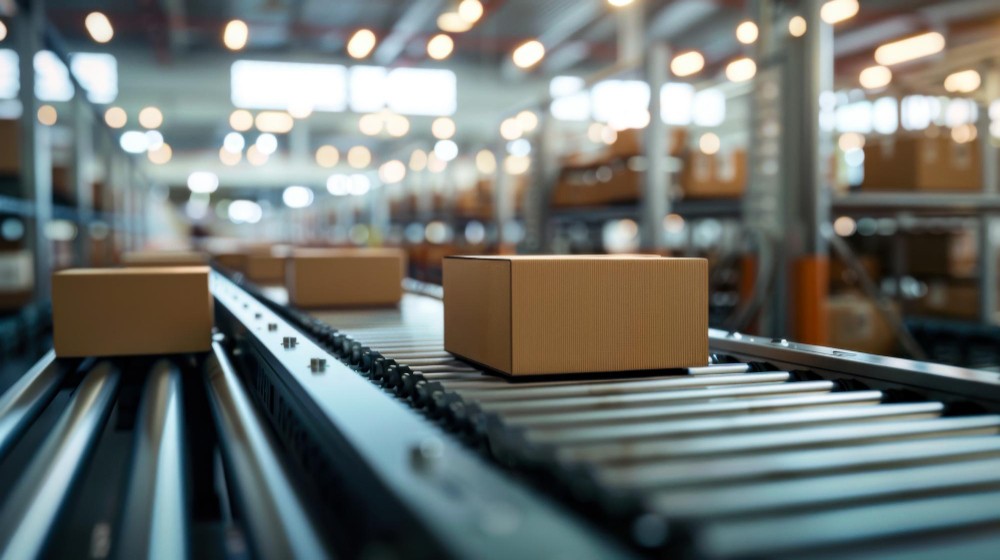
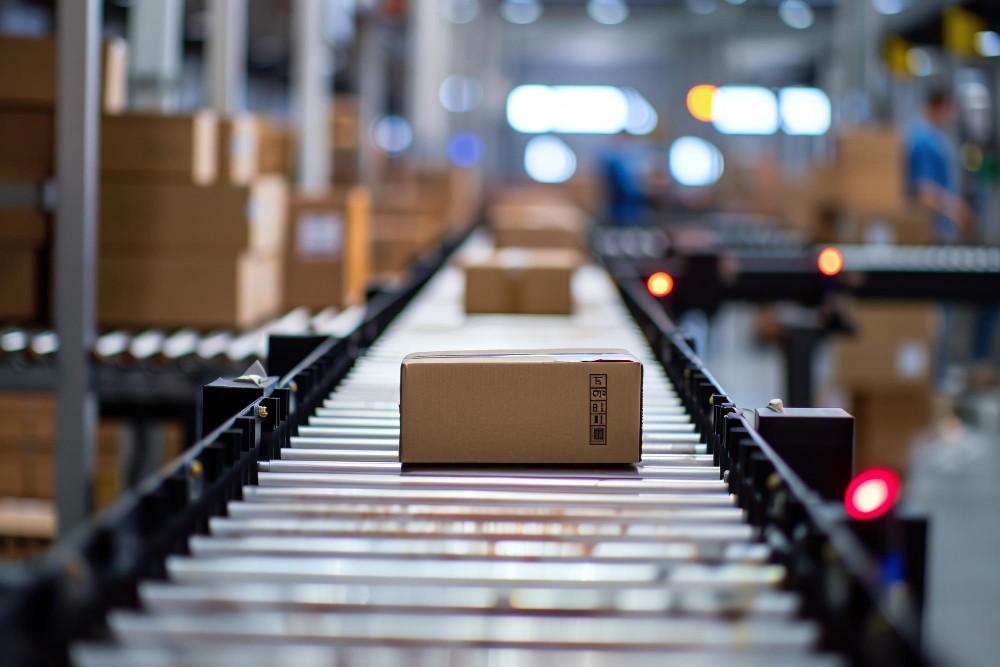
Most carton sealing machines operate on a fairly similar principle, even though the specific mechanics vary by model. Boxes move along a conveyor, triggering sensors that detect the carton’s size and position. Top and bottom flaps get folded automatically or by the operator, depending on the machine type. Tape heads then apply adhesive tape across the seams at a set, repeatable pressure.
Adjustable machines handle a range of carton sizes without needing a full reset between runs, which matters for businesses packing varied product lines rather than one standard box all day.
Key Benefits of Automating Carton Packaging
Speed gets mentioned first, usually, and fairly so. A carton sealing machine seals boxes far faster and more consistently than manual taping ever could, especially across a long shift where fatigue starts affecting hand speed and accuracy.
But consistency matters just as much, arguably more. Every box gets sealed the same way, every time, which cuts down on damaged shipments and the customer complaints that come with them. Labour gets freed up for tasks that actually need judgement rather than repetitive motion. And over time, fewer workplace injuries tied to repetitive sealing work usually mean lower costs tied to leave, turnover, and replacement hiring.
How Automation Saves Time and Labour Costs
Run the numbers properly and the labour savings usually surprise people. A single operator overseeing an automated sealer can process a volume of cartons that would previously have needed two or three people working tape guns by hand, a difference that compounds fast across a full shift.
Time savings add up too. Faster sealing means faster dispatch, which means orders leave the warehouse sooner and customer satisfaction holds up better during busy periods. None of that shows up as one dramatic figure on a spreadsheet, but together they’re usually what justifies the upfront equipment cost within a reasonably short window.
Choosing the Right Equipment for Your Business
Carton volume matters first. A business sealing a few hundred boxes daily has very different needs from one sealing tens of thousands. Box size range matters too, since some operations handle one standard carton while others need equipment that adjusts across a wide variety of dimensions without constant manual recalibration.
Floor space, existing conveyor setup, and budget all factor in as well. And honestly, growth plans matter more than people initially think. Buying equipment sized exactly for today’s volume, with no room to scale, often means a second purchase sooner than anyone budgeted for.
Manual vs Semi-Automatic vs Fully Automatic Packaging
| Factor | Manual Sealing | Semi-Automatic | Fully Automatic |
| Speed | Slowest, limited by operator stamina | Faster, operator still loads and positions boxes | Fastest, minimal operator involvement |
| Consistency | Varies by operator and fatigue level | Consistent sealing, manual positioning | Highly consistent across every carton |
| Labour required | High, multiple staff for volume | Moderate, one operator per machine | Low, one operator can oversee several units |
| Best suited for | Very low volume operations | Growing businesses scaling up | High volume operations with steady demand |
| Upfront cost | Lowest | Moderate | Highest |
Most growing businesses land somewhere between semi-automatic and fully automatic carton sealer machines, depending on how quickly volume is climbing and how much budget is available upfront.
What to Consider Before Buying a Carton Sealing Equipment
Box dimensions matter a lot here, specifically the range your operation actually needs rather than a theoretical maximum you might never hit. Tape type and width matter too, since not every machine handles every tape consistently.
Maintenance access deserves attention before purchase, not after something breaks down mid-shift. And supplier support counts for more than people expect going in. A machine that breaks down with no local technician available turns into a production halt, not just an inconvenience, so checking what support actually comes with the purchase is worth the extra question before signing anything.
How Packaging Automation Supports Business Growth
Scaling a business usually means volume grows faster than headcount can comfortably keep up with. Automated packaging absorbs a chunk of that pressure directly, since orders get processed faster without needing to hire and train new staff at the same pace sales are climbing.
Consistency also protects brand reputation during growth phases, exactly when things are most likely to slip. Customers notice when packaging quality holds steady even as order volume spikes.
Common Challenges When Automating Carton Packaging
Upfront cost is the obvious one, and it’s a real consideration, not something to wave away. Equipment represents a real investment, and businesses need to weigh that against expected savings honestly.
Staff training takes time too, even on relatively simple semi-automatic equipment. Integration with existing workflows isn’t always as smooth as a sales brochure suggests either. Conveyor alignment, floor space, power requirements, all of it needs proper planning before equipment arrives, not figured out on install day.
How to Calculate the Return on Packaging Automation
Start by taking the current labour expenses for manual sealing and comparing them to what you’d spend with an automated system. Consider not only the number of people needed to seal the required number of boxes, but also the time saved by automation.
Reduced damage and returns belong in the calculation as well, since consistent sealing usually means fewer complaints and fewer replacement shipments. Divide the total equipment cost by the monthly savings figure, and that gives a rough payback period most businesses can use to judge whether the investment makes sense right now or further down the line.
Why Choose Auto Pak Trading
Auto Pak Trading has spent more than twenty years supplying packaging equipment to businesses across Malaysia, and that experience shows in how equipment gets matched to actual operational needs rather than just sold off a catalogue. The range covers everything from compact semi-automatic units suited to growing operations through to fully automatic systems built for high volume output.
Support doesn’t stop at delivery either. Guidance on choosing the right model, ongoing maintenance support, and a team that understands packaging workflows rather than just machine specifications — all of it matters when equipment is expected to run reliably day after day. For businesses exploring their options, browsing the range of carton sealer machines is a practical place to start comparing models side by side.
FAQ’s
At what order volume does a carton sealer machine make sense?
There’s no exact figure, but as soon as the manual sealing starts affecting your dispatch rate negatively, it’s time to consider automation.
What's the difference between semi-automatic and fully automatic sealing?
The semi-automatic one requires the operator to load and position each box, whereas the fully automatic one handles that with minimal operator involvement
How long does it take to see a return on automated packaging equipment?
It varies by volume and labour costs, but many businesses recover the equipment cost within a year or two once reduced labour, faster dispatch, and fewer damaged shipments are all factored in together.
Can one machine handle different carton sizes?
Many models adjust across a range of carton dimensions without needing a full reset, though the exact range depends on the specific machine, so checking this before purchase matters.
What should I check before buying carton sealing equipment?
Box dimensions, tapes used, space for installing it and the post-sale support offered by the manufacturer.