
Two boxes. Same product inside. One’s taped up loose, corners sagging a bit. The other’s wrapped tight, clean, no slack anywhere. Nine times out of ten, people reach for the second one. They don’t even know why.
That’s the whole pitch behind a shrink film wrapping machine. It’s not really about plastic. It’s about trust, built in about two seconds flat, before anyone’s even touched the product. Speed matters here too, because once order volume climbs past what two hands with a heat gun can manage, something has to give.
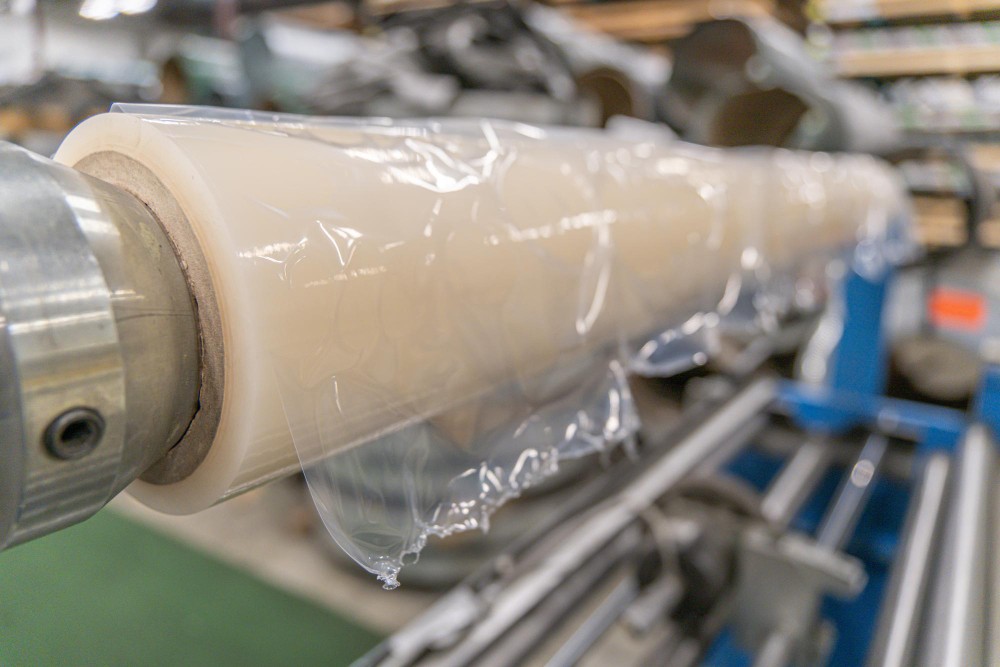
So here’s what shrink wrapping actually does, who it helps most, and where a shrink film wrapping machine fits for a business growing here in Malaysia.
Why First Impressions Start With Better Packaging
Nobody opens a product with a blank slate. Not really. A loose seal, a visible gap, tape applied crooked, and something in the back of a customer’s mind quietly downgrades the whole product. Unfair? Maybe. Still happens every time.
A tight shrink finish flips that instantly. Looks deliberate. Looks like someone actually cared about what left the warehouse. Retail shelf, direct shipment, wholesale pallet headed somewhere else entirely — it doesn’t matter. First impressions move fast, and packaging carries way more of that weight than most owners clock until they actually watch a customer pick something up.
How Shrink Wrapping Delivers a Clean, Secure Finish
Strip it down and the process is simple. Loose film goes around the product. Heat hits it, tunnel or handgun depending on scale, and the film contracts down around whatever shape it’s covering. What comes out looks almost moulded on. No bunching. No slack.
Here’s the part people miss, though. That tightness isn’t just for show. It physically holds things in place, stops shifting mid-transport, keeps a multi-item bundle acting like one solid unit instead of five loose pieces rattling around a box.
Which Products Benefit Most From Shrink Packaging?
Retail stuff, mostly. Cosmetics, food, electronics, anything someone picks up and actually inspects before buying. Multi-packs too. Bulk cartons heading out to distributors. Basically anything that benefits from staying together as one unit rather than scattering the second a box gets tipped.
Tamper evidence is its own category, honestly. A broken seal tells a buyer immediately that something’s off, no explanation needed. And if you’re currently shipping anything in loose, inconsistent packaging? There’s probably something to gain here, even if it’s not obvious yet.
More Than Appearance: How Shrink Film Protects Products
Look matters, sure. But protection is the bigger deal, arguably the whole point once you strip away the sales pitch. Dust, moisture, the general bumps and scrapes of getting handled by five different people before reaching a customer — shrink film pushes back against all of it.
Multi-item bundles need this most. Pieces locked together, nothing separating mid-transit, nothing banging against something else inside the box. That protection usually saves more in avoided returns than the film itself ever cost. People just rarely do that math.
The Science Behind a Tight and Professional Shrink Wrap
Here’s the actual mechanics, briefly. During manufacturing, the film gets stretched out, then cooled fast. That locks tension into it at a molecular level, sitting there waiting. Apply heat during wrapping and that stored tension releases all at once, yanking the film tight around whatever it’s covering.
Get the heat wrong and it shows immediately. Too little, loose and baggy. Too much, scorched, maybe warped. There’s not much room for guessing here. Even, consistent heat is basically the entire difference between a clean professional finish and something that looks thrown together.
How Better Packaging Can Make Products Stand Out
Crowded shelf. Crowded online listing. A shrink-wrapped product just photographs better, sits better, reads cleaner than anything loosely packed next to it. You notice the difference the second you put them side by side, even if you can’t explain exactly why.
Does it single-handedly win a sale? Rarely. But it adds weight to the overall impression, and that weight compounds across a whole catalogue rather than staying isolated to one product.
Can Shrink Wrapping Help Reduce Material Usage and Waste?
Compare it to rigid boxes or padding stuffed in to fill space, and shrink film usually wins on material use. Thinner film, properly applied, often does the exact job that bulkier packaging used to handle. Less material, similar protection, lower cost.
There’s a secondary saving too, easy to overlook. Fewer damaged shipments means fewer discarded or returned products, and that’s its own form of waste reduction that rarely gets counted alongside the obvious material numbers.
Choosing the Right Film for Different Product Requirements
Match thickness to the product. Heavy items need thicker film, obviously, for proper support. Lighter retail goods get away with thinner, cheaper film just fine. Clarity counts too, since most retail customers want to actually see the product through the wrap before buying.
Temperature requirements shift by film type as well. Worth checking against whatever equipment you’re running before locking in a supplier, because getting this wrong shows up almost instantly as uneven results on the line.
Common Shrink Wrapping Problems and How to Avoid Them
Baggy, loose wraps? Usually not enough heat, or film that wasn’t sized right to begin with. Scorched or discoloured film points the other direction entirely; heat ran too hot or sat on the product too long during the pass.
Uneven sealing often traces back to conveyor speed being inconsistent, or a machine overdue for recalibration. None of this is complicated to fix. Takes some trial and error, though, dialling in settings per product line rather than assuming one setup works for everything.
How Packaging Quality Shapes the Customer Experience
Think about it. Packaging is usually the very first physical thing a customer touches. Before they’ve used the product. Before they’ve even really seen it. A clean, tight shrink wrap sets the tone right there, before the product gets any chance to prove itself at all.
Poor packaging does the opposite, and fast. Damage, looseness, anything sloppy — doubt creeps in immediately, even when the product itself is perfectly fine underneath.
What Does an Efficient Shrink Wrapping Setup Look Like?
Pair a shrink wrap machine with a conveyor and you get continuous, hands-off processing instead of handling one item at a time. Heat stays consistent, calibrated to whatever film and product combo is running, and output stays uniform shift after shift.
Minimal manual handling matters too, for speed obviously, but also because repetitive wrapping by hand wears people down over time. The real goal is a setup that just runs, steadily, without someone constantly fiddling with settings.
Signs Your Business Is Ready for Better Packaging Technology
Order volume climbing faster than manual wrapping can keep up with? That’s usually sign one. Quality slipping, customer complaints starting to trickle in about how things arrive? Sign two.
Labour costs tied specifically to wrapping creeping upward matters as well, and so does the simple desire to look more professional as a business scales into bigger, more demanding markets. Hit more than one of these and it’s probably past time to look at real equipment instead of patching the current setup together.
Why Choose Auto Pak Trading for Packaging Solutions
Auto Pak Trading has been supplying packaging equipment across Malaysia for over twenty years now, and that shows up in how solutions get matched to actual operational needs rather than pushed off a generic catalogue. Compact units for smaller setups, full shrink tunnel systems for serious volume – the range covers both ends properly.
Support doesn’t stop once the machine ships either. Film selection guidance, setup help, ongoing maintenance – it’s all part of what comes with the purchase. Worth browsing the shrink wrap machine range directly if you’re comparing models for your own product line.
Conclusion
Shrink wrapping isn’t just a shelf-appeal trick. It protects goods in transit, trims material waste compared to bulkier alternatives, and builds trust before a customer’s even touched the product. If packaging is starting to lag behind growth, or quality’s gotten inconsistent as volume climbs, this is usually one of the more practical upgrades on the table, both for cost and for the actual difference it makes day to day.
FAQ’s
What products benefit most from shrink wrapping?
Retail goods, multi-item bundles, anything needing tamper evidence. Honestly though, almost any product currently shipped loose has something to gain here.
Does shrink wrapping actually reduce material waste?
Mostly yes. Less material than heavier packaging options, plus fewer damaged shipments along the way, which adds its own savings on top.
What causes a loose or uneven shrink wrap finish?
Usually heat that’s off, film sized wrong, or a conveyor running at an inconsistent speed. Equipment calibration and regular maintenance fix most of it.
How do I know if my business needs a shrink film wrapping machine?
Climbing order volume, inconsistent quality, rising labour costs tied to manual wrapping. Any one of those is worth noticing. More than one, and it’s time to act.
Can one shrink wrap machine handle different film types and products?
Often, yes, within a range. Exact limits depend on the specific model, so check that against your product line before committing to a purchase.