
Manufacturing and packaging demand precision. Whether companies produce health products, beverages, or food items, they must fill containers with consistent quality and speed. A liquid filling machine revolutionises how businesses handle products in liquid form, whilst a paste filling machine tackles thicker, more challenging substances.
These machines turn manual labour into rapid, reliable processes. Industries around the world embrace filling technology to meet consumer demands and maintain profit margins. Understanding these machines helps business owners make smart choices for their operations.
What is a Liquid Filling Machine?
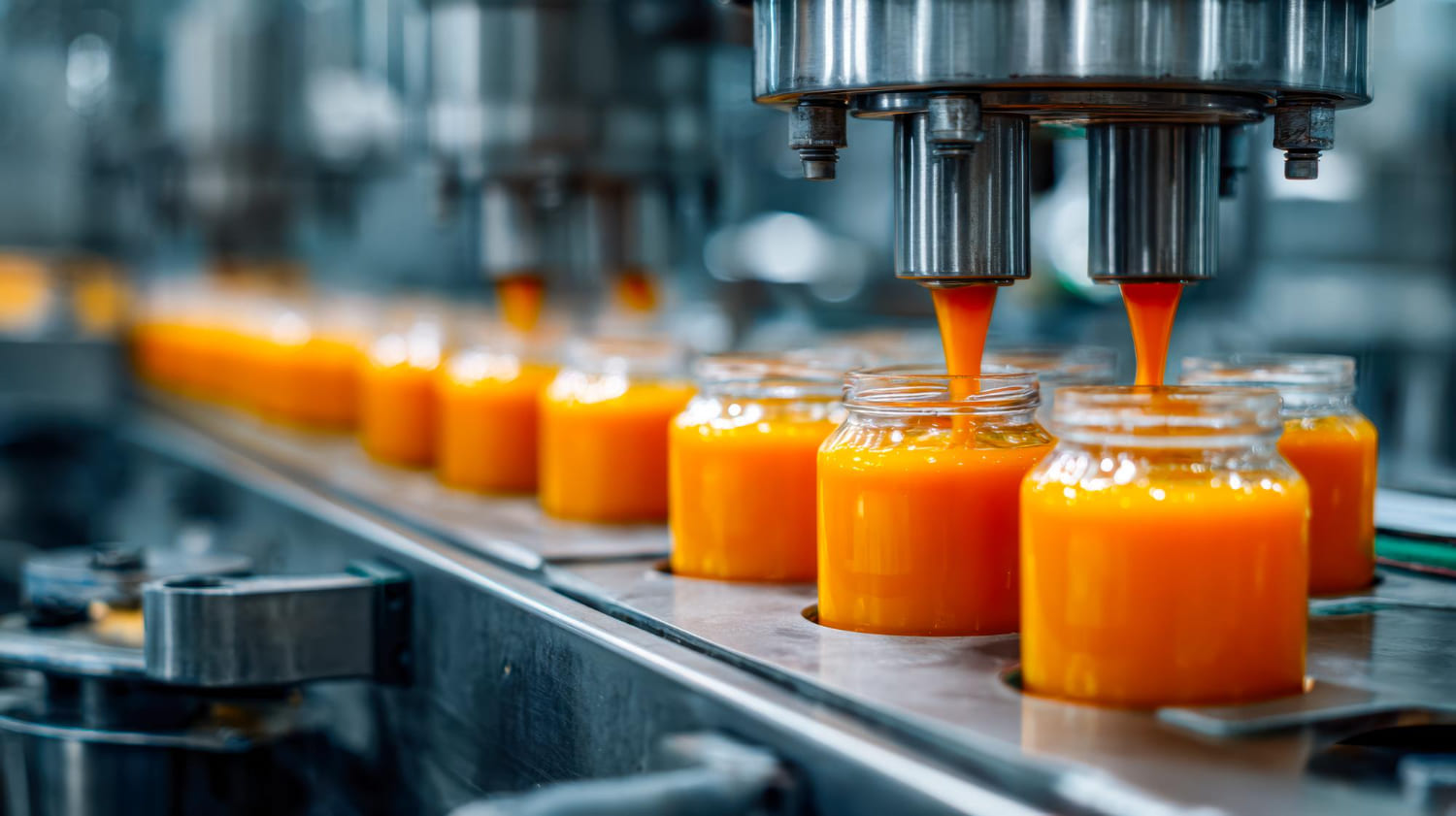
A liquid filling machine handles products in a liquid state. These machines pour, measure and seal beverages, oils, sauces and chemical solutions into bottles, containers and pouches. The equipment fills thousands of units per hour with remarkable accuracy. Every bottle receives precisely the same quantity of product, eliminating waste and satisfying regulatory requirements. A liquid filling machine operates through various methods, including gravity filling, piston filling and peristaltic filling. Manufacturers depend on these systems to boost production and significantly reduce labour costs.
The liquid filling machine technology has matured considerably. Modern systems feature digital controls, automated quality checks and user-friendly interfaces. Companies select a liquid filling machine based on their product type, container size and production volume. Speed matters in competitive markets and these machines deliver exceptional performance. Businesses that invest in quality filling equipment gain competitive advantages through consistency, reliability and output capacity.
What is a Paste Filling Machine?
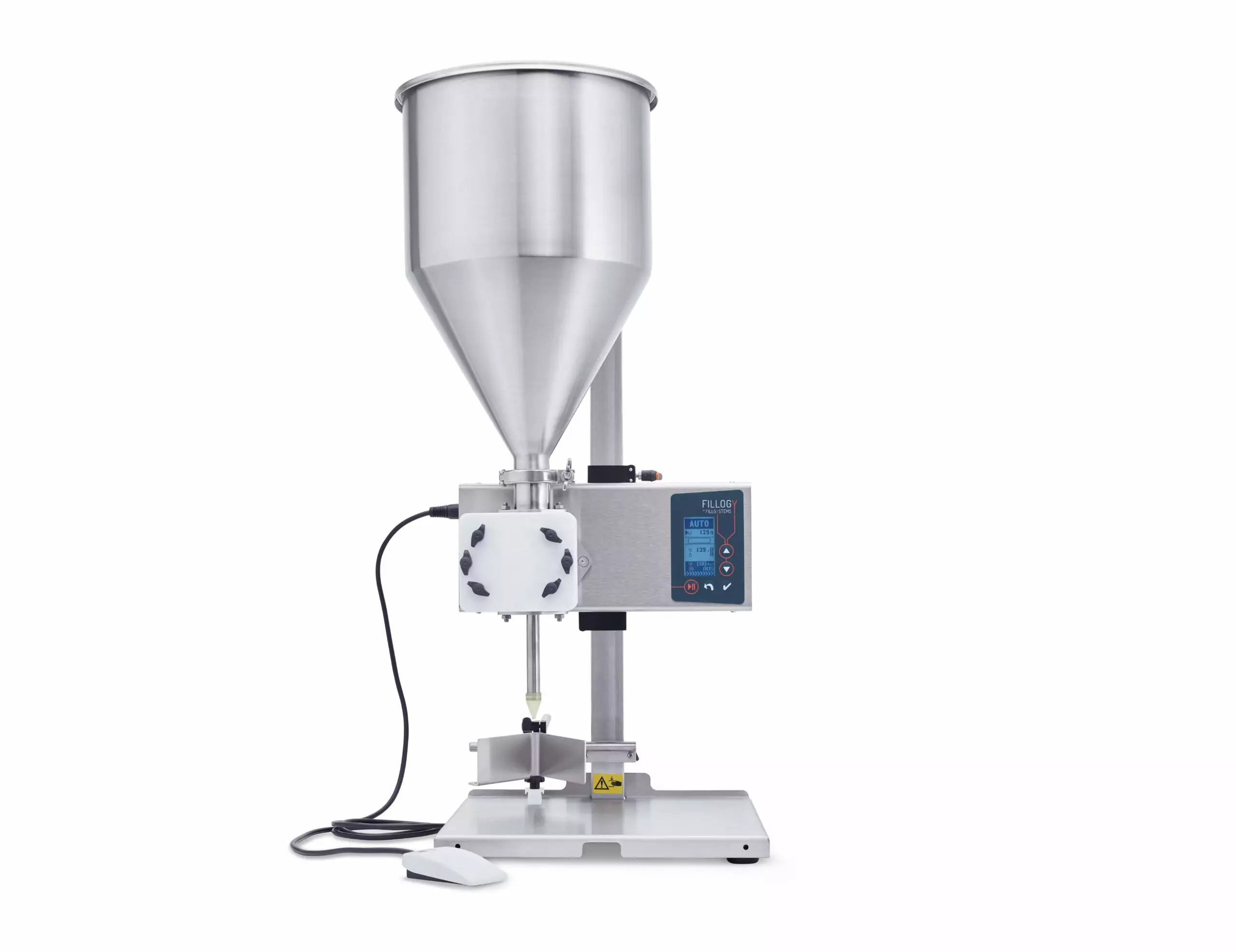
A paste filling machine is designed for thick, viscous substances. Products like cosmetics, pharmaceuticals, adhesives and food pastes pose unique challenges. Standard liquid dispensers cannot handle these dense materials. A paste filling machine features robust mechanisms that push, pump, or extrude thick products into containers. The equipment maintains product integrity whilst achieving precise fill weights and volumes. Speed and accuracy remain paramount, just as with liquid systems, but paste machines require different technical approaches.
A paste filling machine handles everything from peanut butter to toothpaste, from industrial sealants to cosmetic creams. The technology requires stronger motors and specialised nozzles to manage thick consistency. Companies recognise that paste filling machines offer solutions where standard equipment fails. These machines preserve product quality, enhance fill accuracy and boost productivity across numerous industries.
Liquid Filling Machine vs Paste Filling Machine: Key Differences
Understanding the distinctions between a liquid filling machine and a paste filling machine helps businesses select the right equipment. Liquid systems move freely, requiring gravity or gentle pressure to flow through nozzles. Paste materials resist movement and demand powerful pumps and precise control. A liquid filling machine typically operates at faster speeds because the product flows without resistance. A paste filling machine prioritises accuracy over speed, ensuring proper fill weight despite the material’s thickness.
Container handling varies as well. Liquid products often fill bottles of various sizes with adaptable settings on a liquid filling machine. Paste filling machines require more rigid, standardised container dimensions to maintain consistency. Temperature control matters differently for each type. A liquid filling machine handles refrigerated products easily, while a paste filling machine may need heating elements for cold-setting substances.
Comparison Summary
- Liquid filling machines prioritise speed and volume accuracy
- Paste filling machines emphasise weight accuracy and consistency
- Liquid systems use gravity and pressure; paste systems use displacement and extrusion
- Liquid machines suit varied container types; paste machines work best with standardised containers
- Cleaning and maintenance differ between liquid and paste equipment
How Filling Machines Work
Filling machines operate using a combination of mechanical and electronic components to dispense products accurately and consistently into containers.
Product Supply
The product is stored in a supply tank and delivered to the filling nozzles using pumps, pistons, or gravity-fed systems.
Container Detection
Sensors detect the presence and position of containers, automatically initiating the filling cycle at the correct time.
Filling Process
The machine dispenses a predetermined volume or weight of product, while timing systems and sensors ensure filling accuracy.
Liquid Filling Machine Operation
A liquid filling machine uses gravity, piston mechanisms, or peristaltic pumps to transfer liquids through calibrated nozzles with precise flow control.
Paste Filling Machine Operation
A paste filling machine uses positive displacement pumps or auger systems to handle thick products, with pressure and temperature controls ensuring consistent filling and product quality.
Types of Liquid Filling Machines
Gravity Filling Systems
Gravity filling represents the most basic approach. Product flows naturally from elevated tanks through calibrated nozzles. This method suits low-viscosity products like water, juice and oils. Gravity systems operate at exceptional speeds and require minimal maintenance. They work well for high-volume production of simple products. A liquid filling machine using gravity principles delivers cost-effective solutions for straightforward applications.
Piston Filling Technology
Piston-driven liquid filling machines offer precision for varied product types. Cylinders draw product then inject measured quantities into containers. This method handles oils, sauces and pastes more effectively than gravity alone. Piston systems work excellently for products with suspended particles or foam-prone substances. Many manufacturers prefer piston-based a liquid filling machines for their versatility and accuracy across product ranges.
Peristaltic Pump Systems
Peristaltic filling equipment pushes product through flexible tubing, never allowing direct contact with mechanical parts. This design prevents contamination and suits sensitive products including cosmetics and pharmaceuticals. A liquid filling machine using peristaltic technology provides gentle handling, important for products that break down under pressure. The system also simplifies cleaning protocols.
Types of Paste Filling Machines
Auger-Style Filling Equipment
Auger systems use rotating screws to push thick paste through nozzles. The equipment delivers consistent portions for products like peanut butter, honey and industrial adhesives. A paste filling machine with auger technology maintains steady product flow without separation. Operators adjust screw rotation speed to control fill weight. This design suits cosmetics and pharmaceutical creams exceptionally well.
Gear Pump Filling Systems
Gear pumps deliver metered quantities through interlocking rotors. A paste filling machine employing gear pumps handles highly viscous materials with exceptional accuracy. These systems work reliably for continuous production runs. Product never encounters air exposure, maintaining quality and preventing oxidation. Gear systems suit food pastes and industrial compounds perfectly.
Positive Displacement Equipment
Positive displacement technology ensures precise fill weights without relying on volume measurements. A paste-filling machine using this approach suits products with varied density. The system maintains accuracy regardless of material consistency changes. Manufacturers value positive displacement for products like cosmetic foundations and thick emulsions where weight accuracy exceeds the importance of volume measurement.
Products That Companies Fill Successfully
Filling machines handle an enormous variety of products across industries. A liquid filling machine fills beverages, cooking oils, vinegars, cleaning solutions and perfumes. Paste filling machines handle cosmetics, toothpaste, pharmaceuticals, peanut butter, jam, honey and industrial sealants. Food manufacturers use these systems for sauces, dressings and spreads. Chemical industries use filling technology to fill lubricants, adhesives and compounds. Pharmaceutical companies depend on filling technology for medicines and topical treatments. Personal care manufacturers produce shampoos, conditioners and creams at scale using appropriate filling systems.
Industries Using Filling Machines
Food & Beverage Production
Food manufacturers require high-speed filling equipment for juices, sauces, oils and condiments. A liquid filling machine operates reliably in food environments. A paste filling machine handles jams, spreads and thick sauces. Food safety regulations demand consistent fill accuracy and contamination prevention.
Pharmaceuticals & Health Products
Pharmaceutical companies maintain strict quality standards. A liquid filling machine ensures proper dosing for liquid medicines. A paste filling machine handles topical treatments and creams. Regulatory compliance requires precise measurement and contamination control.
Personal Care & Cosmetics
Cosmetic manufacturers depend on filling technology for shampoos, lotions and creams. A liquid filling machine handles thin products whilst a paste filling machine manages thick formulations. Aesthetic presentation demands consistent fill levels.
Chemical & Industrial
Industrial sectors use filling machines for lubricants, adhesives and specialty compounds. A liquid filling machine handles thin chemicals whilst a paste filling machine manages thick industrial pastes. Safety and consistency remain critical considerations.
Essential Features to Examine Before Purchasing
Selecting filling equipment demands careful evaluation. Businesses must identify production volume requirements first. Daily output capacity determines whether operators need compact equipment or industrial-scale systems. A liquid filling machine suited for 100 bottles daily differs significantly from one handling 10,000 daily. Next, evaluate product type and consistency. Will the equipment handle thin liquids, thick pastes, or varying products? Container size and shape matter tremendously. Does the filling system accommodate varied bottle diameters and heights, or does it require standardised containers?
Material compatibility proves crucial. Will the product degrade from contact with stainless steel, rubber, or plastic components? Consider cleaning requirements and downtime. Can operators disassemble parts for thorough cleaning, or does the design favour sealed systems? Evaluate control systems and precision levels. Modern filling machines offer digital controls, data logging and quality verification systems. Budget considerations extend beyond purchase price to include installation, training, maintenance and spare parts availability. Visit facilities using identical equipment to observe actual performance and discuss reliability.
Benefits of Using a Liquid Filling Machine
Liquid filling machines improve production efficiency by automating the filling process with speed and precision. Their key benefits include:
- Higher Productivity: Fill hundreds or thousands of containers quickly.
- Consistent Accuracy: Deliver precise fill volumes with minimal variation.
- Reduced Product Waste: Minimise overfilling, spillage and material loss.
- Lower Labour Costs: Reduce dependence on manual filling operations.
- Improved Quality Control: Maintain consistent product specifications.
- Scalable Production: Increase output without proportionally expanding the workforce.
Benefits of Using a Paste Filling Machine
Paste filling machines provide reliable performance for thick and viscous products. Their advantages include:
- Precise Filling: Ensure accurate fill weights despite varying product consistencies.
- Faster Production: Handle high-volume filling efficiently.
- Better Hygiene: Reduce contamination through sealed filling systems.
- Product Integrity: Preserve the quality of delicate formulations.
- Cost Efficiency: Lower labour requirements while maintaining consistent product presentation.
Common Filling Challenges and Practical Solutions
Product Separation and Settling
Some products separate or settle over time. Solutions include keeping agitators running in supply tanks and using peristaltic systems that maintain product homogeneity. Adjusting fill speed sometimes prevents settling during operations.
Foam Formation During Filling
Foaming products present challenges for both liquid filling machine and paste filling machine operations. Vacuum-release nozzles minimise air incorporation. Slowing fill speeds reduces agitation. Using anti-foam coatings inside nozzles prevents bubble adhesion.
Viscosity Fluctuations
Temperature changes affect product thickness. Temperature-controlled storage and heating systems maintain consistency. Using weight-based rather than volume-based measurement compensates for viscosity variation.
Container Variation
Imperfect containers cause filling inconsistency. Vision systems detect container defects before filling. Using calibration cycles allows equipment to adapt to minor container variations.
Selecting the Appropriate Filling System
Selecting the right filling system is essential for improving production efficiency, ensuring product quality and supporting future business growth. Consider the following factors before making a decision:
Product Characteristics
- Choose a liquid filling machine for thin, free-flowing products.
- Use a paste filling machine for thick, viscous materials.
- Consider both types if you manufacture a wide range of products.
Production and Growth
- Match equipment capacity to current production and future expansion.
- Select flexible machines that can handle new product variations.
Facility and Compliance
- Ensure sufficient space, electrical supply and drainage.
- Check industry-specific hygiene and regulatory requirements.
Budget and Evaluation
- Compare new and used equipment based on cost, reliability and warranty.
- Request product trials and seek operator feedback before making a final investment.
Maintenance and Care Procedures
Proper maintenance and care are essential to ensure equipment operates efficiently, remains safe to use and has a longer service life. Following a regular maintenance schedule helps prevent unexpected breakdowns, reduces downtime and maintains consistent production quality.
- Proper maintenance significantly extends equipment lifespan.
- Clean equipment daily to prevent product build-up, maintain efficiency and avoid contamination between batches.
- Follow the manufacturer’s instructions for disassembly, cleaning and reassembly.
- Carry out weekly inspections to identify worn or damaged components before they fail.
- Check nozzles for blockages.
- Inspect seals for signs of wear or degradation.
- Listen for unusual motor noises that may indicate mechanical issues.
- Perform more detailed inspections and lubricate moving parts monthly, where required.
- Replace seals and gaskets according to the manufacturer’s recommended schedule.
- Keep essential spare parts in stock to minimise production downtime.
- Record all maintenance activities, repairs and parts replacements.
- Regularly verify equipment calibration against known standards to ensure accuracy.
- Schedule annual professional servicing to identify potential problems before they affect production or safety.
Why Proper Equipment Selection Matters for Success
Investing in appropriate filling technology determines manufacturing success. The right liquid filling machine or paste filling machine boosts productivity, improves product quality and enhances profitability. Poor equipment choices create bottlenecks, generate waste and frustrate operations.
Quality equipment manufacturers provide technical support, training and spare parts availability that keeps systems running. Businesses that invest in reliable filling equipment gain competitive advantages through consistent output, superior product quality and operational efficiency. Your choice today shapes production capabilities for years ahead.
Final Thoughts
Filling machines represent essential infrastructure for modern manufacturing. Whether businesses require a liquid filling machine for beverages and oils or a paste filling machine for creams and pastes, choosing appropriate equipment transforms operations. Companies achieve remarkable improvements in productivity, consistency and profitability by upgrading from manual processes to mechanical filling systems. The investment pays dividends through reduced waste, lower labour costs and improved product quality. Success requires matching equipment capabilities to product requirements, production volumes and facility infrastructure. Take time to thoroughly evaluate options, request demonstrations with your actual products and learn from existing users. The right filling equipment elevates your business to new efficiency levels.
FAQ’s
1. How does a liquid filling machine differ from manual filling?
A liquid filling machine fills containers consistently and rapidly without human variation. Machines measure precise quantities whilst reducing spillage and waste. Production capacity increases dramatically—one machine replaces multiple workers whilst maintaining superior accuracy. Speed and consistency make machines essential for commercial production.
2. Can a paste filling machine handle different product types?
Most paste filling machines specialise in thick products but some designs accommodate varied viscosities through adjustable settings. Dramatic consistency changes require different equipment types. Some manufacturers invest in versatile systems offering multiple filling modules for diverse products.
3. What maintenance does a liquid filling machine require?
Daily cleaning prevents product buildup. Weekly inspections identify wear. Regular calibration ensures accuracy. Manufacturer-recommended servicing intervals should be followed. Keeping spare seals and nozzles minimises downtime when parts require replacement.
4. How long do filling machines typically last?
Quality equipment lasts 10-15 years or longer with proper maintenance. Regular cleaning, timely part replacement and professional servicing extend lifespan significantly. Usage intensity affects durability—machines running continuously wear faster than those operating part-time.
5. What production speeds should businesses expect?
A liquid filling machine fills 50-1000 bottles per minute depending on design and product type. A paste filling machine typically fills 10-500 containers per minute. Speed depends on container size, fill quantity and nozzle design. Manufacturers specify output rates for each model.
6. Do filling machines require special training to operate?
Basic operation requires minimal training. Most modern filling machines feature intuitive controls. Maintenance and troubleshooting demand more expertise. Manufacturers provide comprehensive training during installation and ongoing support as questions arise.